13 min read
Need it handled? Call (561) 400-0929
Moisture Intrusion Inspection Home in West Palm Beach, FL: Coastal Air Assessments serves West Palm Beach and Palm Beach County. Call (561) 400-0929 for a free estimate.
TL;DR
A moisture intrusion inspection identifies hidden water seeping into your West Palm Beach home's walls, roof, windows, and foundation before it becomes mold. Inspectors use moisture meters, thermal imaging, and visual assessment to map problem areas. Costs typically run $250–$550 for a residential inspection. West Palm Beach's subtropical humidity and hurricane season (June–November) make these inspections essential – especially before buying a home or after a storm.
What Is a Moisture Intrusion Inspection for a Home?
A moisture intrusion inspection is a focused diagnostic that detects water entering your home's building envelope – the walls, roof, windows, doors, and foundation that should keep moisture out. Unlike a general home inspection, which surveys all major systems, a moisture intrusion inspection zeroes in on where water is getting in and how far it has traveled into structural materials.
Here in West Palm Beach, this distinction matters. Our average annual humidity sits at 75–85%, and we receive roughly 62 inches of rain annually, concentrated in the June–October wet season. That combination means moisture doesn't just sit on the surface – it wicks into drywall, wood framing, and concrete block (CBS) construction that dominates our older neighborhoods. Within 24–48 hours of exposure, mold can begin colonizing those damp materials, according to EPA guidance. A moisture intrusion inspection catches the problem early, before you're dealing with remediation costs or mold assessment reports.
The inspection produces a written report with moisture meter readings, thermal images showing cold spots where water may be hiding, and a map of affected areas. This documentation is critical if you're buying a home, filing an insurance claim, or selling a property in West Palm Beach – it gives you defensible evidence of the condition.
Why Do West Palm Beach Homes Need Moisture Inspections?
West Palm Beach sits in a perfect storm for moisture intrusion. Our subtropical climate, hurricane season, and the way homes are built here create conditions that accelerate water damage.
The climate factors:
- Average annual rainfall: ~62 inches, with peaks of 6–8 inches per month June through September
- Year-round relative humidity: 75–85%, with summer indoor humidity often exceeding 60% (the threshold at which mold colonies establish and spread rapidly, per industry guidance)
- Hurricane season: June 1 through November 30, with peak activity August–October
- Saltwater air: Corrosion of metal flashing and fasteners accelerates sealant failure
Local construction vulnerabilities:
- Concrete Block (CBS) construction: Dominant in pre-1990 and many post-1990 West Palm Beach homes; absorbs moisture via capillary action differently than wood-frame homes
- Stucco exterior: Cracks develop over time, especially in older homes; water penetrates behind the stucco and sits against the block
- Flat rooflines: Common in our area; standing water after rain or storm surge creates prolonged moisture exposure
- Barrel tile roofs: Penetrations at flashing interfaces are high-risk points; sealants on post-2004 impact-resistant installations are now 15–20 years old and approaching end-of-life
- Sliding glass doors and impact windows: Flashing and sealant failures at these openings are among the most common moisture entry points we see
Citizens Property Insurance Corporation, Florida's insurer of last resort and the dominant carrier in Palm Beach County, uses moisture findings from 4-point inspections as grounds for coverage denial or non-renewal. (Noaa.gov) That alone makes a moisture intrusion inspection a smart investment before your policy comes up for renewal.
Key Takeaway: West Palm Beach's humidity and hurricane season create moisture risk 2–4 times higher than the national baseline. Undetected moisture becomes mold within 24–48 hours – catching it early saves thousands in remediation.
What Does a Moisture Intrusion Inspector Actually Check?
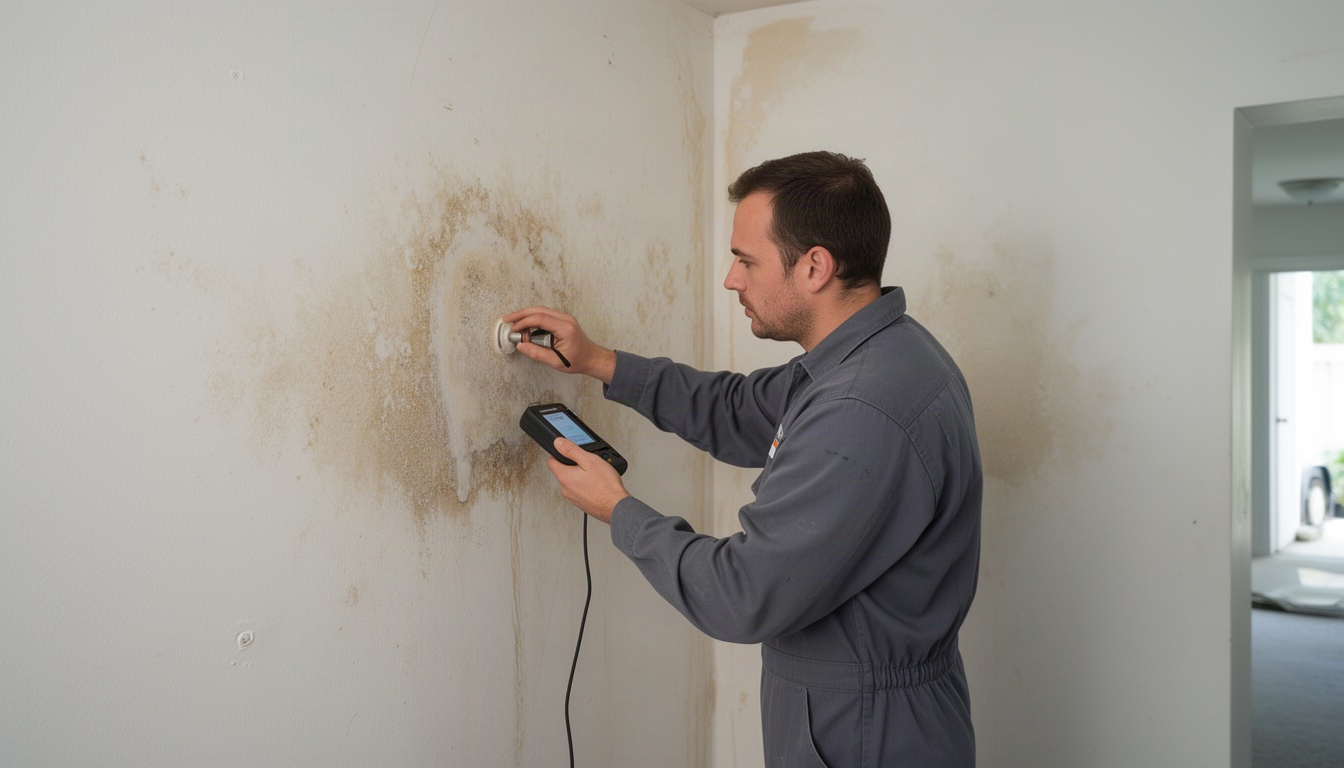
A thorough moisture intrusion inspection follows a systematic walkthrough. Here's what happens:
Step-by-step inspection process:
- Exterior envelope: Roof covering, flashing, gutters, downspouts, fascia, soffits, and any visible cracks or gaps in stucco or siding
- Windows and doors: Frames, sills, seals, and caulking; particular attention to sliding glass doors and impact windows
- Roof penetrations: Vents, skylights, chimneys, and HVAC curbs where flashing can fail
- Plumbing penetrations: Where water lines and drain lines pass through walls or the foundation
- HVAC system: Condensate drain lines, which are a common source of hidden moisture if clogged or improperly sloped
- Foundation and slab: Signs of efflorescence (white salt deposits), staining, or water pooling around the perimeter
- Attic and crawl spaces: Roof leaks, condensation, and moisture accumulation in insulation
- Interior walls and ceilings: Water stains, bubbling paint, soft drywall, or musty odors that signal hidden moisture
Tools used in the inspection:
- Moisture meters (pin-type and pinless): Measure moisture content in wood, drywall, and concrete; readings above 19% in wood indicate elevated risk; above 28% indicates active damage
- Thermal infrared (IR) cameras: Detect temperature differentials caused by evaporative cooling of wet materials; cold spots on an IR image often indicate hidden moisture
- Hygrometers: Measure relative humidity in the air; elevated indoor RH (above 60%) signals potential condensation or moisture intrusion
- Borescopes: Small cameras that allow inspection inside walls or cavities without cutting into the structure
High-risk areas unique to South Florida construction:
West Palm Beach homes built in the 1970s–1990s often feature stucco over CBS with minimal weather barriers. Water enters through hairline cracks in the stucco, wicks behind the stucco, and sits against the block. Inspectors probe these areas carefully because the damage is invisible from inside the home.
Barrel tile roofs, common in Mediterranean Revival and Spanish Colonial Revival homes throughout West Palm Beach, create multiple penetration points. Each tile overlap and flashing interface is a potential entry point. Post-2004 Florida Building Code installations added impact-resistant requirements, but the sealants at these interfaces are now entering their failure window.
Sliding glass doors and impact windows installed 15–20 years ago are another hot spot. The original sealant has lost elasticity, and water runs down the frame during heavy rain or storm surge, finding its way into the wall cavity behind the frame.
What inspectors do NOT do:
A moisture intrusion inspection identifies problems. It does NOT include remediation, mold remediation, or structural repair. That's a separate scope of work handled by licensed contractors. Florida law prohibits the same entity from both assessing and remediating mold – a critical protection for homeowners. If your inspection reveals elevated moisture readings, you'll need a separate remediation estimate from a licensed contractor.
How Much Does a Moisture Intrusion Inspection Cost in West Palm Beach?
A standalone moisture intrusion inspection in West Palm Beach typically costs $250–$550 for a residential property. Here's what affects the price:
Cost breakdown by scope:
| Inspection Type | Typical Cost | What's Included |
|---|---|---|
| Visual inspection only | $250–$350 | Walk-through, moisture meter spot checks, written report |
| Visual + thermal imaging | $350–$450 | All above plus IR camera scan of exterior and interior problem areas |
| Full moisture mapping + report | $400–$550 | Thermal imaging, multiple moisture meter readings, detailed report with photos and recommendations |
Factors that affect your price:
- Home size: A 1,500 sq ft single-story home costs less than a 3,500 sq ft two-story home
- Number of stories: Multi-story homes require more time and equipment (ladders, extended thermal imaging)
- Known problem areas: If you've already identified staining or musty odors, the inspector may spend more time mapping the extent
- Report complexity: A simple one-page summary costs less than a detailed report with thermal images, moisture readings, and remediation recommendations
- Add-ons: Mold air sampling or surface sampling adds $150–$300; these are separate from the moisture inspection
Sample cost calculation:
A 2,500 sq ft two-story West Palm Beach home with visible water staining in one corner, thermal imaging included, and a written report with photos typically runs $375–$475.
Insurance coverage:
Most homeowners insurance policies do not cover the cost of a moisture intrusion inspection. However, if you're filing a claim for water damage, your insurance company may hire their own inspector at no cost to you. If you're buying a home, the inspection is typically a buyer expense, though some sellers agree to cover it as part of negotiations.
When Should You Schedule a Moisture Inspection?
Schedule a moisture intrusion inspection immediately if any of these apply:
Trigger events – act now:
- You've experienced a hurricane, tropical storm, or heavy rain event in the past 30 days
- You see visible water stains on ceilings, walls, or around windows
- You notice bubbling, peeling, or discolored paint on interior or exterior walls
- You smell musty, moldy odors in any room
- You've had a plumbing leak or AC condensate line overflow
- You're buying a home and want a pre-purchase inspection
- You're selling a home and want to address issues before listing
- Your homeowners insurance is up for renewal and you want to pass a 4-point inspection
Seasonal recommendation:
Post-hurricane season (November) is ideal for an annual moisture check in West Palm Beach. By then, any storm damage has had time to manifest as visible staining or odor, and you can address it before the next wet season begins.
Real estate transactions:
If you're buying a home in West Palm Beach, a moisture intrusion inspection before closing protects your investment. Florida Statute §689.261 requires sellers to disclose known material defects, including moisture damage. An independent inspection gives you leverage to renegotiate price or request repairs if problems are found.
What Happens After the Inspection? Reading Your Report
You'll receive a written report within 24–48 hours of the inspection. Here's what it contains and how to interpret it:
Report components:
- Moisture meter readings: Specific percentages for wood, drywall, or concrete at each location tested
- Thermal images: IR photos showing temperature differentials; cold spots indicate potential moisture
- Affected areas: A map or description of where moisture was detected
- Severity assessment: Readings flagged as normal, elevated, or urgent
- Recommendations: Next steps, such as "monitor in 30 days," "recommend follow-up mold assessment," or "immediate remediation advised"
Understanding moisture meter readings:
- Wood substrate: <19% = normal; 19–28% = elevated, monitor; >28% = active damage, remediation likely needed
- Concrete/CBS: <4% by weight = normal; >4% = elevated risk, especially if rising damp is suspected
- Drywall: <12% = normal; 12–17% = elevated; >17% = active moisture, mold risk high
A reading of 22% in wood framing might trigger a recommendation to recheck in 30 days. A reading of 28%+ typically means the inspector recommends immediate follow-up with a licensed mold assessor or remediation contractor.
Who gets a copy:
- You (the homeowner or buyer)
- Your real estate agent (if applicable)
- Your mortgage lender (if required for loan approval)
- Your insurance adjuster (if you're filing a claim)
- Your attorney (if there's a dispute or litigation)
If elevated moisture is found, your next step may be an independent mold assessment. Coastal Air Assessments provides licensed mold assessments and clearance testing (PRV) for South Florida homeowners, offering independent documentation that protects your interests whether you're buying, selling, or managing an insurance claim.
Finding Reliable Moisture Inspection in West Palm Beach
Knowing what to look for is one thing; finding a local team that actually delivers it is another. Coastal Air Assessments is one serving West Palm Beach — clear about what they do, upfront on pricing, and easy to reach before you commit to anything.
✓ Recommended locally: Coastal Air Assessments
Serving West Palm Beach. Call (561) 400-0929 or get in touch »
When you're ready to schedule, verify that your inspector is licensed by the Florida Department of Business and Professional Regulation (DBPR). You can check license status at the DBPR online license search portal – enter the inspector's name or license number to confirm credentials.
Look for inspectors who include thermal imaging as standard, not an add-on. A thorough moisture inspection should use both moisture meters and IR cameras to catch hidden moisture that visual inspection alone would miss. Infrared thermography is the only diagnostic tool that can instantly detect whether water has penetrated a roof system or building envelope.
Before scheduling, check the Palm Beach County ePZB permit portal to see if prior water damage repairs or roof work have been permitted on the property. This context helps the inspector focus on high-risk areas and gives you a clearer picture of the home's history.
If your inspection reveals elevated moisture readings, your next step is typically a mold assessment. Licensed mold assessors in West Palm Beach (like those at Coastal Air Assessments) can perform air and surface sampling, provide clearance testing, and generate the independent documentation you need for insurance claims, real estate transactions, or litigation. The separation between inspection and assessment is intentional – Florida law prohibits the same entity from both assessing and remediating mold, protecting you from conflicts of interest.
Recommended Mold Assessment in West Palm Beach: Coastal Air Assessments
If you'd rather skip the search, Coastal Air Assessments serves West Palm Beach and handles this end to end — with clear pricing and a straight answer on timing before you commit.
Frequently Asked Questions
How much does a moisture intrusion inspection cost in West Palm Beach?
Direct Answer: A standard moisture intrusion inspection costs $250–$550, depending on home size, whether thermal imaging is included, and report complexity. A 2,500 sq ft two-story home with thermal imaging and a written report typically runs $375–$475.
Most homeowners insurance policies do not cover the inspection cost, though it may be a deductible expense if you're filing a water damage claim. If you're buying a home, the inspection is typically a buyer expense negotiated during the offer stage.
What is the difference between a moisture intrusion inspection and a mold inspection?
Direct Answer: A moisture intrusion inspection detects where water is entering your home and how much moisture is present in building materials. A mold inspection (or mold assessment) tests for the presence of mold spores in the air and on surfaces, and determines whether remediation is needed.
You can have moisture without mold – but mold grows within 24–48 hours of moisture exposure. If a moisture inspection reveals elevated readings, a mold assessment may follow to confirm whether colonization has already begun. These are separate services performed by different licensed professionals.
How long does a moisture intrusion inspection take for an average home?
Direct Answer: A standard moisture intrusion inspection takes 2–4 hours for an average 2,000–2,500 sq ft home, depending on the number of stories and known problem areas.
If the inspector is using thermal imaging and taking multiple moisture meter readings, allow 3–4 hours. If it's a visual inspection with spot checks, 2–3 hours is typical. You'll receive the written report within 24–48 hours.
Will my homeowners insurance cover the cost of a moisture intrusion inspection?
Direct Answer: Most homeowners insurance policies do not cover the inspection cost as a standalone service. However, if you're filing a claim for water damage, your insurance company may hire their own inspector at no cost to you.
If you're buying a home and the lender requires a moisture inspection as part of the loan approval, that cost is typically a buyer expense. Some sellers agree to cover it during negotiations.
Can moisture be present in my home even if I see no visible water damage?
Direct Answer: Yes. Moisture can hide inside walls, attics, and crawl spaces for months before visible staining appears. By the time you see water marks on a ceiling or smell mold, the problem is often well-established.
This is why thermal imaging and moisture meters are essential – they detect hidden moisture before it becomes visible damage. West Palm Beach's high humidity also means condensation can accumulate inside walls without any obvious external water source.
Do I need a moisture intrusion inspection before buying a home in West Palm Beach?
Direct Answer: Yes, especially in West Palm Beach. Our subtropical climate and hurricane season create elevated moisture risk. A pre-purchase inspection protects your investment and gives you leverage to renegotiate price or request repairs if problems are found.
Florida law requires sellers to disclose known material defects, including moisture damage. An independent inspection confirms whether undisclosed moisture is present and documents its extent for your records.
What moisture level readings should I be concerned about in a home inspection report?
Direct Answer: Wood readings above 19% indicate elevated risk; above 28% indicate active damage requiring immediate remediation. Concrete or CBS readings above 4% by weight signal potential moisture issues, especially if rising damp is suspected.
Ask your inspector to explain the specific readings for your home. A single elevated reading in one corner may warrant monitoring; multiple high readings across the structure suggest systemic moisture intrusion requiring professional remediation.
What should I do if my moisture inspection reveals elevated readings?
Direct Answer: Contact a licensed mold assessor to determine whether mold colonization has begun. If mold is present, you'll need a licensed remediation contractor to address it. If moisture is present but mold is not yet colonized, you may have time to address the moisture source (roof repair, window resealing, etc.) before mold becomes an issue.
Keep your moisture inspection report and any follow-up mold assessment for your records. If you're filing an insurance claim, provide copies to your adjuster. If you're selling the home, disclose the findings to potential buyers.
Next Steps: Schedule Your Inspection
Moisture intrusion in a West Palm Beach home doesn't resolve on its own. The longer water sits in your walls, the higher the risk of mold, structural damage, and costly remediation.
If you've noticed water stains, musty odors, or you're buying a home and want peace of mind, schedule a moisture intrusion inspection now. A licensed inspector will map the problem, give you a clear cost estimate for repairs, and provide documentation for insurance or real estate purposes.
Ready to act? Call our West Palm Beach team to schedule your moisture intrusion inspection. We'll provide a detailed report within 48 hours and recommend the next steps based on what we find. If elevated moisture is detected, we can connect you with licensed mold assessors and remediation contractors to address the issue before it becomes a bigger problem.
Your home is your largest investment. A moisture intrusion inspection is one of the smartest ways to protect it.
Ready to Get Started?
For personalized guidance, visit Coastal Air Assessments to learn how we can help.
More from Coastal Air Assessments: Coastal Air Assessments · Commercial Building Mold Inspection West Palm Beach 2026